The minute you slide into the seat of a tiny propeller aircraft and feel that engine settle into a stable purr, you recognize what individuals mean when they state flying is addictive. It's not simply the view from the home window or the thrill of the launch. It's a sort of training for your senses: sight, sound, touch, and a discipline that equates from the cabin to every other part of life. If you have actually ever before checked out the skies and wondered just how to come to be a pilot, you're in excellent business. The course isn't an enigma, however it is an individual trip. It's about selecting a course that matches your routine, your funds, and your appetite for challenge.
This item isn't a dry guidebook. It's a map attracted from real-world flights, lengthy hours invested at airport terminals, and the stubborn touch that maintains people chasing an objective even when the nights are lengthy and the weather looks unsure. I've coached a loads potential pilots through the early stages, enjoyed them spar with their very own nerves, and commemorated with them when the radio crackled with verification that their training had begun to click. There's a rhythm to the process, a rhythm you can learn to trust.
A useful reality regarding finding out to fly is that it's as much regarding the best selections as concerning raw skill. You need a strong strategy, a reputable teacher, and a preparedness to adjust. The cockpit can be a forgiving instructor, but it requires honesty. You'll chart your flight hours, log your maneuvers, and accumulate small success that ultimately add up to a certificate that opens up doors-- whether you're going after a weekend break leisure activity or a specialist career.
Stepping onto the runway for the very first time seems like standing beside a new continent. Whatever looks feasible, and yet every mile of airspace you plan to cover means a lot more duty. The learning contour is steep, yet it doesn't need to be frightening. With the ideal attitude and a clear path, you can make constant development towards your personal pilot license, your tool score, and beyond. Let's go through the important landmarks, the daily realities, and the tiny, useful decisions that shape an effective trip to the cockpit.
The beginning factor is easier than you may think: a gust of inquisitiveness, a determination to invest time, and a feeling that you wish to be in control of your own travel in such a way that just flying can provide. From there, the steps unravel with a kind of energy. You begin with ground college, then you require to the skies for flight lessons, and you gradually assemble the hours that prove you can handling a lot more complicated responsibilities. You'll encounter a set of common hurdles along the way-- costs, scheduling conflicts, and the unpreventable days when the weather condition maintains you based. However these aren't roadblocks in disguise. They belong to the procedure that instructs you perseverance and analytical, two essential qualities for any pilot.
The choice to end up being a pilot starts with an easy question: what sort of pilot do you want to be? Do you envision on your own in a village flight terminal, supplying passengers to the following weekend getaway? Do you see yourself in a company jet, crisscrossing the nation for conferences that matter? Or do you dream of a profession on a huge airline company, where the cabin loaded with the hum of thousands of hours logged and the adventure of managing a thousand-ton machine? Your answer forms your plan, however the foundation of the plan corresponds: trip training expenses money, time, and a steady dosage of technique. No one ends up being a pilot by luck alone.
A useful, ground-level take a look at the path assists. The world you'll populate is part classroom, part health club for your reflexes, and part collection for your knowledge of weather condition, airframes, and navigation. You'll discover to review air travel weather forecast with the exact same ease you read a road map, though the risks feel higher there. You'll memorize lists the way an artist remembers scales, not to memorize for memorization's purpose yet to ensure you have a trustworthy routine when stress develops. And you'll practice radio interaction up until your style comes to be natural, accurate, and calm also when the air is choppy and the clock is ticking.
The detailed course begins with a clear sense of the landmarks and a useful plan to reach them. It begins with the private pilot certificate, often the gatekeeper to more advanced training. For numerous, that initial license is both https://www.pilot-expo.com/exhibitor/aelo-swiss-academy/ a goal and a beginning gun. It confirms you can handle a tiny plane under visual trip guidelines, with a minimal standard of understanding, skill, and judgment. It doesn't make you an expert aviator overnight, yet it does license that you can run an airplane safely and individually in ordinary situations. The minute that license appears on your wall, you'll feel a tangible change in exactly how you see your own possibilities. The door you have actually been pressing against opens up, and the world beyond it expands.
The exclusive pilot course is a month-to-month test of your self-discipline as much as your technical skill. It asks you to balance research with technique trips, to discover the limits of your guts and your competence, and to maintain a consistent journal of your hours. Expect a mix of dual guideline with an instructor, solo practice when you've built confidence, and a handful of difficult maneuvers that examine your hands and your mind. The speed differs by person and by area, yet the arc has a tendency to bend toward two things: a reputable understanding of the rules of aerodynamics, systems, and safety; and the real-time judgment you'll require to keep on your own and others risk-free when you're up there.
To supply a much more concrete feeling of timing, think of a common tempo. You could invest a few weeks on ground institution, absorbing the basics of trip theory, airspace regulations, climate analysis, and airplane systems. After that you'll start brief, monitored flights-- maybe 45 mins to an hour at a time. As your comfort grows, those sessions extend, and you'll integrate much more complex maneuvers like stalls, slow-moving trip, steep turns, and cross-country planning. Cross-country trips are the significant tests of your training, due to the fact that they require you to browse with chart and compass or electrical trip plan, and to land at unfamiliar airport terminals with the same calm you offer your home turf. The culmination is a practical test, known as a check ride, provided by a marked supervisor that plays the role of a vital court. Pass that, and the exclusive certificate is yours.
But a pilot's education and learning does not end at the private level. If you're figured out to development, a 2nd large stage awaits: tool training. This is where you confirm you can fly under the hood, relying on instruments when the globe outside vanishes in a haze financial institution or a layer of clouds. Instrument training transforms your connection with weather condition and presence. You learn to zip referral to tools, to take care of control inputs with precision, and to maintain positioning without the perspective working as your guide. It's a different sort of self-control-- silent, rigorous, and deeply pleasing when you ultimately hold straight and degree through a grey ceiling.
Another typical course is the tailwind of an occupation objective. If your objective is airline job, your training will ultimately expand right into business pilot accreditation, multi-engine procedure, and often a type ranking on certain aircraft. The progression is not direct; it's a series of significantly demanding steps made to build experience, expand capability, and ensure safety at range. Some days feel like a marathon, others like a sprint. The key is to maintain the engine running-- log hours, preserve money, and stay current with clinical qualification and regulatory updates. The aviation world is unforgiving about complacency, and appropriately so. You are responsible for lives, including your very own, when you go to the controls.
One of the most essential aspects of this trip is the price. Training charges can vary extensively depending on where you train, the airplane made use of, and how aggressively you pursue a rate that matches your budget plan. In lots of regions, you might anticipate to pay in the vicinity of numerous thousand bucks for a private certificate, with instrument training including another substantial piece. Flight time is normally offered in blocks, and the per hour rate for airplane rental, instructor time, fuel, and upkeep can add up promptly. The sensible reality is that you must plan for a complete financial investment that can easily face the mid five figures if you plan to reach airline company or corporate flight degrees. That appears daunting, and it is. Yet there are common methods to handle it: picking a pleasant flight school with clear prices, booking block hours to decrease per-hour costs, looking for scholarships or grants targeted at aeronautics, and prioritizing consistent progress over significant jumps that damage the budget plan. The right mix sits at the intersection of your personal finance, your time flexibility, and your aspiration.
The social piece of training issues also. You'll spend lengthy hours with teachers, fellow pupils, and flight terminal staff. The vibe can form your experience as long as the curriculum. Some colleges run as limited, specialist groups with a high requirement for safety and security and procedure; others really feel much more easygoing, with a culture based upon camaraderie and shared jokes concerning the most recent climate rundown. Both kinds bring worth, but you should straighten your option with your personality. A great flight school embraces diversity in individuality and experience while maintaining a regular commitment to security and learning.
If you read this and acknowledging a stimulate of curiosity and a readiness to dedicate, you'll intend to come close to the very first phase with practical prep work. There are 2 little but meaningful listings worth keeping somewhere near your workdesk as you prepare. They won't define your future, but they'll help you transform purpose right into action.
- Decide your total goal and approximate timeline. Be honest with on your own regarding how much time you can commit to training every week and whether you'll be seeking this as a leisure activity or a career. Gather a rough budget and financing strategy. Determine your top 3 trip schools and contrast their hourly prices, instructor-to-aircraft ratios, and climate patterns throughout the year.
The reality of your early flights is that you'll challenge a mix of excitement and concern. Instructors beware not to wet your curiosity, yet they will press you to face limitations you didn't understand you had. You'll really feel a rise of self-confidence when you toenail a landing you feared you could not carry out, and you'll additionally run into days when a stubborn climate system keeps you based, compeling you to reassess plans and take advantage of a research day on the ground. One of the most successful students get an EASA commercial license discover to turn those days into chances: evaluating a fresh collection of weather charts, studying a brand-new navigation technique, or practicing cockpit discipline in a simulator or a nearby classroom. The secret is to stay connected to the bigger arc of your training.
Another essential style that shows up often is security society. This isn't a motto you post on a wall surface. It's a lived ethos that starts the minute you step onto the ramp. You'll learn to preflight with a critical eye, to question anomalies, and to speak up when something doesn't feel right. This culture extends past the cabin into your personal life: you'll recognize the value of regular, the discipline of checklists, and the humility that comes from acknowledging the limits of your knowledge. The people that are successful in air travel are usually those who deal with safety as an everyday routine rather than a single requirement.
As you gather hours and discover, you'll likewise encounter the technical side that can really feel overwhelming initially. Solutions diagrams, engine fundamentals, and the basics of the rules of aerodynamics all begin as international language. Yet with patient guideline and purposeful practice, you start to equate. You'll discover what each control does, why certain maneuvers require precise airspeed, and exactly how weather condition affects the way an aircraft manages. You'll realize that finding out to fly is much less regarding remembering a lengthy checklist of facts and more concerning developing a psychological model of just how air, gravity, and energy communicate. The even more you internalize that model, the more you'll trust your hands and your judgment when you remain in the air.
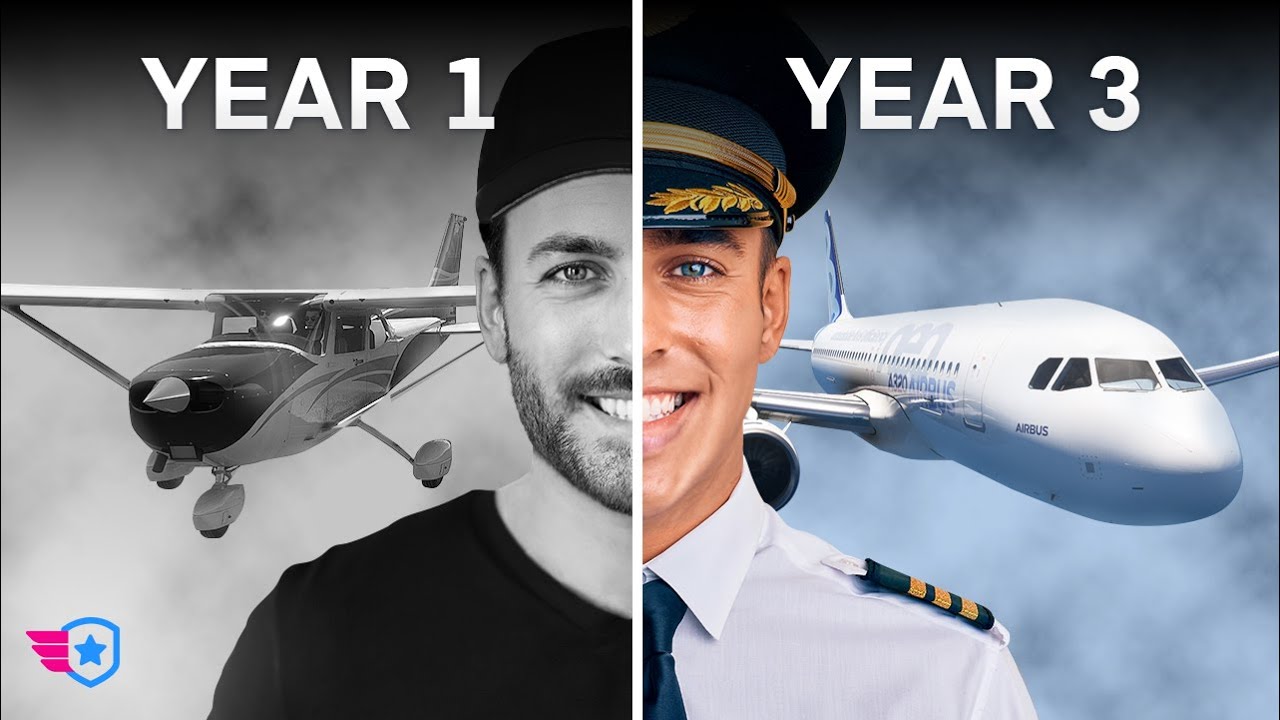
Anecdotes from the area frequently light up the subtler facets of the path. I remember a trainee that started with a high level of technological expertise yet battled with the soft skill of choice production. We serviced decision-making drills that substitute progressive losses of visibility and strange flight terminals. It wasn't about compeling a fast remedy; it was about assisting him to pause, analyze, and articulate his strategy clearly to the instructor. Over a few weeks, his interaction expanded more certain, therefore did his flight efficiency. One more trainee, a registered nurse by training, came close to flight time as if it were a change she could arrange with medical accuracy. She logged every min, kept a careful logbook, and treated each flight like a patient check. Her calm, methodical style became her greatest property in the tool phase, where stress and anxiety can feel amplified and the margin for error tightens.
The globe of aviation benefits persistence, however it also awards energy. You need momentum to accumulate hours in a manner that makes good sense for your life. If you can swing numerous early trips in a solitary week, you could press via the private certification quicker than you anticipate. If your routine is tight, you can still make progression by concentrating on ground institution, weather analysis, navigating theory, and safety subjects during the weeks you're not in the air. The important point is development that you can plainly track. A straightforward journal of trip hours, maneuvers exercised, and weather condition circumstances researched can be a powerful tool to keep you oriented toward your goals.
There are moments in this journey when you'll be provided difficult options that check your judgment. You may choose whether to switch to a different flight school mid-program due to the fact that the devices better matches the sort of flying you wish to do. You might pick to slow down your pace to guarantee you're understanding the principles, or you may speed up since you have actually found a strong advisor and an encouraging cohort. You'll evaluate the top quality of guideline, the consistency of the schedule, and the altitude at which you wish to operate. These choices aren't about bravado; they have to do with aligning your training with your long-term plans and your personal sense of safety.
As a useful note, your medical certificate is more than a procedure. Your doctor's test establishes a baseline for your health and fitness to fly, and it's not uncommon for pilots to experience changes in health and wellness as they age. Understanding your clinical standing and remaining within the limits will save you shocks down the line. Some pilots maintain a notebook of clinical pointers, renewals, and any modifications in medicine that could influence flying. Treat your health and wellness with the exact same severity you bring to navigation charts; it's another dimension of precision that maintains you in control.
It's worth pausing here to map out the actual benefits you acquire along the road. Past the feeling of proficiency and the adventure of the air, aeronautics develops a durable self-control that equates to various other pursuits. You'll grow far better time monitoring due to the fact that you should fit training into your life with a high degree of dependability. You'll establish sharper problem-solving capabilities since each flight is a real-time workout in choice making under pressure. You'll additionally enter into an area that extends across generations and boundaries. The relationships developed around the path, the common stories of hard methods and smooth touchdowns, come to be a sort of expert family you lug right into every various other job you tackle.
If you read with a strategy in mind, you're most likely asking, what's following after the personal license? The answer relies on your passions. For some, the following stop is the tool rating. For others, light commercial work, aerobatic training, or a pathway toward airline transportation can begin to show up imminent. The choice isn't only about the sort of flying you wish to do yet likewise about the type of routines you're aiming for and the neighborhoods you wish to sign up with. The air travel globe, at its core, has to do with constant knowing. The minute you reach a milestone, a new horizon appears, and the procedure begins once again with fresh inquiries, new weather challenges, and a various set of skills to master.
Let me close with a basic truth that has actually applied in my own experience and in the stories of numerous pilots I've trained: you become a pilot since you want to come from an area that looks up at the skies with inquisitiveness and respect, and you stay because you find out to love the craft greater than the result. The cockpit requires greater than talent; it asks for commitment. It asks for a desire to show up, to study, to exercise, and to accept that occasionally the winds will press you off your preferred course, only to guide you toward a safer, a lot more capable variation of on your own. The reward is not simply the certificate on the wall surface. It's the momentum and the sense of place you gain when you recognize you can take a machine off the ground and return with the same calmness you brought while cabbing in.
If you go to the side of this choice, pause enough time to sketch a rough map for yourself. Where do you intend to remain in six months, a year, five years? What kind of flying will light you up on a Tuesday morning when the coffee is solid and the air is stable? What sort of mentor would certainly best support you-- the teacher who presses you to fine-tune your technique, or the educator who patiently breaks down concepts up until they click? The path isn't identical for everybody, and there's no single "right" course to the cabin. There are, however, dependable anchors: a clear objective, a trustworthy school, a strategy that respects financial resources and time, and a dedication to security and continuous learning.
In completion, ending up being a pilot is about greater than merely gaining a certificate. It's about growing into a decision-maker, a communicator, and a participant of an international network that values precision and humility in equal step. It has to do with discovering that your hands can guide an equipment with grace, that your eyes can check out weather condition and terrain with increasing clearness, which your mind can remain stable when the air turns unsettled. It has to do with uncovering that you belong overhead, not just as a traveler but as a contributor to a tradition that connects individuals and areas in ways couple of other tasks can replicate.
If you prepare to take that first step, begin with an uncomplicated strategy. Talk with local flight schools, inquire about their safety and security society, pricing, and the framework of any faster programs. Observe a class, if you can, and sit in on a ground instruction to listen to how instructors define the course to a check experience. Bring a note pad with concerns concerning student mentorship, airplane accessibility, and exactly how they manage climate hold-ups. Arrange an initial trip if you fit doing so. A single trip can light up the structure of training-- the way the controls really feel in your hands, the way the engine purrs at launch, the means your heart price settles as you climb.
From there, it has to do with consistency. Two days a week, a regular ground session, a monthly cross-country strategy, and a stable build-up of hours. The actions aren't attractive, yet they're resilient. The work you invest today pays out over time as you acquire self-confidence, ability, and the capacity to reason clearly under pressure. You'll end up being the sort of pilot that does not just push the airplane to its potential however who likewise appreciates the airspace around you and individuals who share it with you.
As your trip progresses, you'll find out to commemorate the small things along with the huge turning points. An excellent touchdown after a windy approach deserves its minute of victory. A consistent hand while cabbing in the dusk is a quiet success. The very first solo trip, the tool check adventure pass, and the cross-country leg flown with no missteps all deserve a nod. These aren't tasks carried out in isolation; they're the advancing result of plenty of hours of practice and the consistent advice of coaches who counted on your capacity even when you questioned it yourself.
Ultimately, becoming a pilot has to do with straightening your life with a vocation that rewards inquisitiveness, technique, and a type of grounded nerve. It's a practice in deliberate improvement, a day-to-day routine of prep work and execution that, over time, makes the sky really feel not far-off but virtually intimate. The cockpit comes to be a second home, an area where your choices matter, where your training converts right into genuine self-confidence, and where the globe you when saw just as a map currently ends up being a collection of possible courses you can chart with quality and care.
If you have actually read this far, you're currently inside the conversation concerning what's feasible. You're somebody that notifications the rhythm of a prop and really feels the pull of the horizon not as a risk yet as an invitation. You prepare to transform inquisitiveness right into action. Take that primary step, and allow the rest unfold with the persistent momentum that identifies the aviation area. The sky does not compensate hesitation. It rewards the prepared mind, the stable hand, and the readiness to keep turning up, day in day out, year after year. The cockpit awaits, and with it, a life of exploration that really few experiences can match.